Team Bride Retro Svg: A Designer's Real-World Embroidery Review
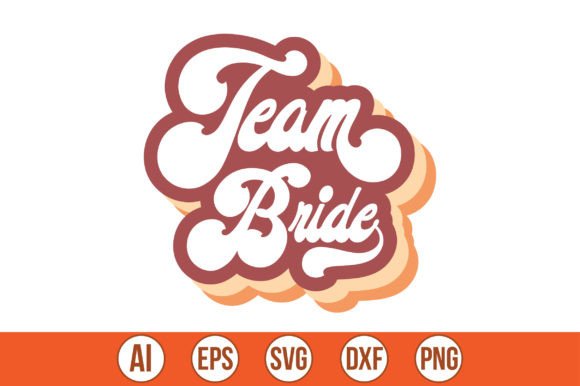
When I first opened the folder for Team Bride Retro Svg, my initial reaction wasn't just about the file size or the format. It was about the vibe. As someone who spends hours tweaking stitch densities and selecting thread colors for real clients, I look for designs that feel authentic rather than generic. This design immediately struck me as having a distinct personality. The retro aesthetic suggests a warm, nostalgic mood perfect for bridal showers, bachelorette weekends, or a boutique wedding shop. It feels less like a standard clip art and more like a vintage patch you might find on a well-loved denim jacket.
The layout is clean, but the "retro" element implies specific challenges when translating a digital vector into physical thread. In the world of machine embroidery, what looks crisp on a screen can sometimes get lost in the fabric if the details aren't considered. My goal here is to walk through how this embroidery file actually performs when it hits the hoop, based on scenarios I've faced with similar projects for small business owners and Etsy sellers.
From Digital Vector to Stitched Reality
The product description mentions a .zip file containing SVG files and a 300 DPI PNG background. For those of us working in the Crafts and Graphics space, knowing exactly what we are getting is half the battle. The inclusion of "Word By Layer" SVG files is a significant plus. It means I can isolate specific elements if I want to change the color palette or adjust the placement of text versus graphics before converting them to an embroidery format.
However, remember that an SVG is not yet a machine-readable embroidery file (like .PES or .DST). You will need digitizing software to convert this vector into stitches. When I reviewed the design structure, the lines appeared sharp enough to handle standard satin stitches for outlines and fill stitches for the retro shapes. But here is where practical judgment comes in: does the design have too many tiny corners? If the original vector has intricate flourishes that are smaller than 4mm, they might collapse under the pressure of the needle, especially on stretchy fabrics like jersey or lightweight cotton used for baby clothes.
Real Project Scenarios: Where Does It Shine?
Let's imagine a real-life scenario. You are preparing inventory for a local craft fair or fulfilling orders for a custom bridal shop. You decide to use Team Bride Retro Svg on a canvas tote bag for a bridesmaid gift. This is a classic application. The sturdy fabric of a tote bag provides a stable base, allowing the design to stand out without distortion.
In this context, the design works beautifully. The retro theme pairs perfectly with earth tones or pastel threads, creating a cohesive look that customers love. Because the design is likely bold, it translates well to larger items like sweatshirts or aprons. Imagine a kitchen towel embroidered with this motif hanging in a bride-to-be's home; it becomes a functional piece of decor rather than just a logo. For a handmade shop owner, this adds value. It elevates a simple product into a personalized gift that feels thoughtfully curated.
I also see potential in nursery decor or baby items. A soft onesie embroidered with a subtle version of this design could be a hit for a gender-neutral shower. The key here is scaling. On a small item like a baby hat or a cap, you must ensure the design isn't so large that it overwhelms the garment. Conversely, on a pillow cover, it needs to be substantial enough to catch the eye from across the room.
Navigating the Tricky Terrain: Fabric and Placement
Not every surface is created equal, and Team Bride Retro Svg requires careful consideration depending on your substrate. While it excels on stable materials like denim or heavy canvas, there are areas where you should exercise caution.
- Stretchy Fabrics: If you plan to embroider this on a stretchy t-shirt or a fitted dress, you will need a high-quality tear-away or cut-away stabilizer. Without proper support, the tension of the stitches can cause the fabric to pucker, ruining the retro aesthetic with unwanted waves.
- Small Hoop Sizes: If your machine only has a small hoop, check the dimensions of the design relative to that hoop. Tight curves and dense fill areas can become difficult to manage in a confined space, leading to skipped stitches or thread breaks.
- Dark Fabrics: If you are using this on a dark background, the contrast is critical. You may need to add a layer of backing or choose lighter thread colors to ensure the design pops. The retro style often relies on clean lines, which can get lost if the thread color blends too much with the fabric.
- Curved Surfaces: Embroidering on a curved cap can be tricky. If the design has straight horizontal text or rigid geometric shapes, it might look distorted once stitched onto the curve of a hat. Always test the curvature before committing to a full production run.
Visual Appeal and Customer Trust
In the handmade market, visual clarity equals professionalism. A poorly executed stitch job can make a brand look amateurish, even if the product idea is great. When reviewing Team Bride Retro Svg, I looked at how the design handles density. High-density areas require careful planning to avoid thread breakage and fabric puckering. If the design is too dense, it creates a stiff, board-like texture that customers might dislike on clothing they intend to wear daily.
On the flip side, if the design is too sparse, it might look cheap on a premium item. The balance found in this retro style seems appropriate for most applications, offering enough detail to look polished without being overwhelming. For an Etsy seller, this distinction matters. Buyers often judge the quality of a handmade item by the neatness of the stitching. A clean, well-placed design builds trust and encourages repeat business.
Furthermore, the versatility of the design allows for creative marketing. You can create printable mockups showing the design on various products—tote bags, mugs, pillows—to help visualize the final result for clients. This helps in selling the concept before the physical work begins.
Practical Notes for the Design-Conscious Maker
Before you start stitching, there are a few non-negotiable steps to ensure success. First, always test the design on scrap fabric that matches your final project. This allows you to check the stitch density and see how the thread colors interact with the fabric texture. What looks good on a white swatch might behave differently on a textured linen.
Review the hoop size requirements carefully. If the design exceeds your machine's capabilities, you may need to split it into multiple sections, which adds complexity and potential alignment issues. Also, inspect the small details. Are there any tiny letters or thin lines that might disappear during the digitizing process? If so, consider simplifying the design or adjusting the stitch type.
Don't forget to check the licensing terms. If you are a commercial embroiderer looking to sell finished items featuring this design, you must confirm whether the purchase allows for commercial use. Selling digital embroidery files themselves usually requires a different license than selling physical products. Misunderstanding these terms can lead to legal trouble down the line.
Finally, test the durability. Wash the sample piece to see if the stitches hold up or if the fabric shrinks unevenly around the design. This is crucial for products like aprons or towels that will see frequent washing.
Final Thoughts on the Design's Potential
Team Bride Retro Svg offers a solid foundation for a variety of embroidery projects. Its retro charm makes it highly relevant for current trends in wedding and event branding. Whether you are creating a unique gift for a friend or building a catalog for your small shop, this design has the potential to elevate your offerings. Just remember that the success of the final product depends on your preparation, your choice of materials, and your attention to the technical details of machine embroidery.
By treating this as a professional tool rather than just a decorative graphic, you can harness its full potential. Test it, tweak it, and watch it transform from a digital file into a cherished keepsake. With the right approach, this design can be a staple in your collection of design assets for years to come.