Shopping Queen Retro Svg Design Review
I have spent years reviewing embroidery files for my own boutique and the clients I advise. There is a specific kind of frustration that comes with downloading a design that looks perfect on screen but falls apart once the needle hits the fabric. That is why I approach every new download, including the Shopping Queen Retro Svg Design, with a mix of excitement and skepticism. This isn't just about whether the lines are clean; it is about how the design translates into a tangible, sellable product that makes a customer smile.
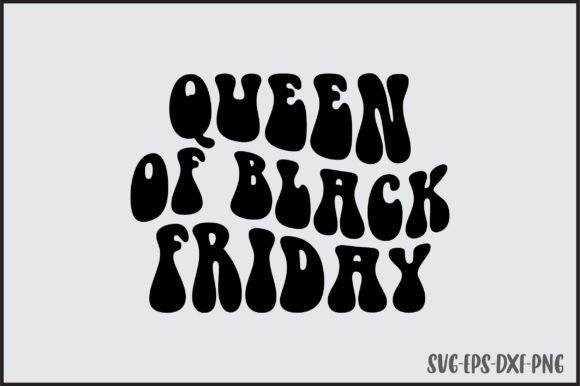
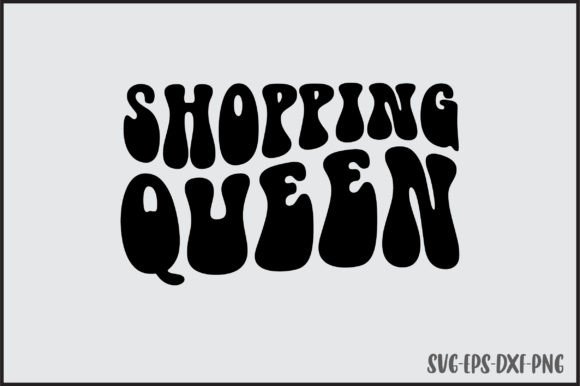
When I first opened the file set containing SVG, EPS, DXF, and PNG formats, the immediate mood was distinct. The retro aesthetic immediately evokes a sense of nostalgia without feeling dated or messy. For an embroidery designer, the "personality" of a design is often hidden in the spacing and the weight of the strokes. This design feels confident. It suggests a playful, vintage vibe that fits perfectly into the current market for handmade goods, specifically within the Crafts and Graphics categories where visual storytelling matters.
From Screen to Stitch: A Real Project Scenario
Let's imagine a real-world scenario. I am preparing for a busy holiday season and need to create a cohesive line of gifts for a local craft fair. My goal is to produce high-quality custom apparel and home goods that feel personal but professional. I decide to use the Shopping Queen Retro Svg Design for a collection of canvas tote bags and aprons intended for the local grocery enthusiast or the weekend baker.
The first thing I notice when placing this design on a mockup of a beige canvas tote is how the curves interact with the fabric. The retro typography has a slight bounce to it, which works beautifully on a soft, natural fiber background. However, before I commit to stitching fifty units, I run through the practical steps. I check the stitch density in the software. If the fill areas are too dense, the fabric will pucker, ruining the crispness of the retro look. If they are too light, the texture of the canvas might show through, making the colors look muddy.
In this specific case, the design shines because it balances detail with simplicity. It avoids the trap of being overly intricate, which often leads to thread breaks on small hoops. When I stitch the first sample onto a scrap piece of canvas, the result is a finished product that commands attention. It feels like something a customer would proudly display at a farmer's market. The design elevates a simple tote bag from a generic accessory to a statement piece of custom apparel.
Where This Design Fits Best
The versatility of the Shopping Queen Retro Svg Design is its strongest asset. Because it comes in multiple formats, it is not limited to just one type of machine embroidery project. While I primarily used it for the tote bags, the same file could easily be adapted for sweatshirt embroidery or baby clothes. The rounded edges of the lettering make it forgiving on stretchy fabrics, which is a common headache for decorators working on caps or fitted t-shirts.
For Etsy sellers and small shop owners, this design offers a unique opportunity to build brand consistency. Imagine a series of digital product previews showing the design on a kitchen towel, a nursery pillow cover, and a holiday gift tag. The retro theme ties these disparate items together, creating a recognizable visual identity. It is the kind of design that customers remember. It adds a layer of professionalism to a handmade product, signaling that the maker cares about aesthetics and quality.
The design also performs well as an embroidered patch. The bold outlines hold up nicely even when the backing material varies. Whether you are selling pre-made patches or offering them as a customization option on jackets, the visual appeal remains strong. It bridges the gap between a digital graphic and a physical textile art piece, making it a valuable asset for any creative entrepreneur looking to expand their inventory.
Caution Areas and Technical Considerations
However, no design is without its challenges, and I must be honest about where the Shopping Queen Retro Svg Design requires careful handling. First, consider the hoop size. If you attempt to stitch this on a very small hoop, such as those used for wristbands or tiny baby accessories, the details may become indistinguishable. The retro style relies on some negative space to breathe; cramming it into a 3x3 inch area can make the text look cluttered and reduce the overall clarity.
Fabric choice is another critical factor. While it looks great on sturdy canvas or denim, testing it on thin, sheer fabrics is risky. Without proper stabilizer support, the tension required for the satin stitches could cause the delicate material to tear or warp. Similarly, on dark fabrics, the contrast of the thread colors becomes paramount. If the original design assumes a white or light background, the thread colors might need to be adjusted to ensure they pop against a black hoodie or navy apron.
There is also the issue of curved surfaces. Embroidering on a cap is notoriously difficult due to the curvature. While the design is robust, the distortion caused by the curve can sometimes stretch the letters slightly out of proportion. I recommend doing a test run on a scrap of the actual cap material before committing to a full production run. Additionally, if you plan to wash the finished product frequently, such as with kitchen towels or children's clothing, ensure the stitch density is high enough to withstand friction without fraying.
Professional Designer Notes for Success
If you are ready to integrate this design into your workflow, here are a few practical tips based on my experience. Always test the design on scrap fabric first. This step is non-negotiable. You need to verify that the thread colors you intend to use provide the right contrast against your chosen fabric texture. A design that looks vibrant in a digital mockup might appear dull in reality if the thread sheen clashes with the matte finish of the cloth.
Review the stitch density settings in your digitizing software. Even though the file is provided, you may need to adjust the parameters depending on your specific machine and the fabric thickness. Confirm the hoop size requirements before starting your project to avoid mid-process errors. Inspect the small details closely; sometimes, what looks like a single line on screen is actually composed of thousands of tiny stitches that can get lost on certain materials.
It is also wise to test the design in black and white mockups. This helps you visualize the silhouette and ensure the layout works regardless of color variations. Compare how it looks on both light and dark backgrounds to understand the full range of its potential. Use the appropriate stabilizer for your project type—cut-away for heavy garments and tear-away for lighter fabrics—to maintain the shape of the finished product.
Finally, double-check the licensing terms. If you are planning to sell finished items featuring the Shopping Queen Retro Svg Design, you must confirm that your purchase includes commercial rights. Many digital products allow for personal use only, and violating these terms can lead to legal issues. Ensure you understand the rules regarding reselling digital files versus selling physical goods created with the design.
In conclusion, the Shopping Queen Retro Svg Design is a solid addition to any embroidery library. It brings a charming, vintage energy to projects ranging from personalized gifts to commercial merchandise. By paying attention to fabric selection, stabilizer usage, and proper testing, you can turn this digital file into a high-value, professional finished product that your customers will love.