In Food We Trust Retro SVG Review
As a designer who spends more time looking at stitch lines than actual food, I approach every new design file with a mix of curiosity and skepticism. When In Food We Trust Retro SVG landed in my queue, I wasn’t just looking for another cute phrase to slap on a tote bag. I was evaluating whether this graphic had the structural integrity and visual weight to survive the transition from screen to fabric. In the world of machine embroidery, digital files often look promising until they are stretched over a hoop and subjected to the tension of thread.
This review breaks down how this specific embroidery file performs in real-world applications, focusing on its suitability for small business owners, Etsy sellers, and crafters who need reliable assets for their handmade products. We will look at the mood, the technical execution, and where this design shines—and where it might cause headaches.
The First Impression: Mood and Visual Personality
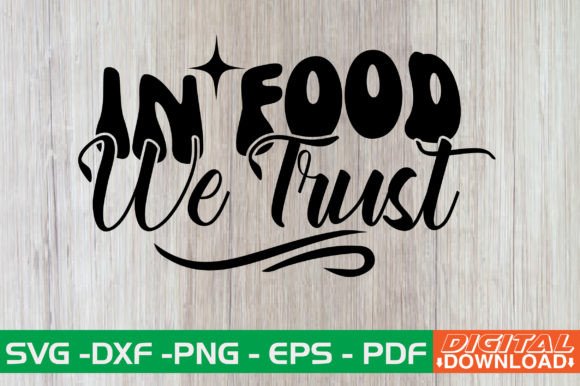
The retro aesthetic is currently dominating the handmade market, but not all retro designs are created equal. In Food We Trust Retro SVG leans heavily into that nostalgic, mid-century diner vibe. The typography feels bold and confident, suggesting a playful yet grounded personality. It doesn’t scream for attention; it invites it.
From a design perspective, the layout appears balanced. The phrase "In Food We Trust" is iconic enough to be instantly recognizable, which reduces the cognitive load for the buyer. When someone sees this on a kitchen towel or an apron, they don’t have to decode the message. This immediate recognition is crucial for commercial success. It fits naturally into categories like kitchen decor, foodie gifts, and casual apparel. The retro styling gives it a timeless quality that won’t feel dated in six months, which is a significant advantage for inventory planning.
Real-World Application: Where Does This Design Fit?
Let’s talk about practical use cases. I ran through several scenarios in my mind to see where In Food We Trust Retro SVG would truly excel.
- Kitchen Textiles: This is the most obvious and effective application. Embroidering this onto a flour sack tea towel or a heavy-duty canvas apron creates a cozy, inviting atmosphere. The text is likely large enough to be read easily while cooking, making it functional as well as decorative.
- Custom Apparel: For sweatshirts and t-shirts, this design works well as a chest pocket placement or a centered back print. The retro font pairs beautifully with heather grey, olive green, or mustard yellow fabrics. It feels like something you’d wear to a brunch spot, not just a gym.
- Baby and Nursery Items: There is a surprising versatility here. While the phrase is adult-oriented, the retro style softens it. Placing this on a baby blanket or a onesie can create a humorous, modern nursery theme. It appeals to parents who want to inject some personality into their child’s wardrobe without resorting to cliché animals or stars.
- Patches and Accessories: If converted into an embroidered patch, this could serve as a badge for denim jackets or backpacks. It adds a touch of individuality to standard garments, appealing to the DIY crowd.
For Etsy sellers and small shop owners, these varied applications mean one design asset can generate multiple product listings. You aren’t limited to just one type of merchandise. This flexibility increases your potential return on investment for the digital file.
Technical Considerations for Embroidery Designers
While the visual appeal is strong, we must address the technical realities of digitizing and stitching this design. Not all graphics translate seamlessly into stitches.
Stitch Density and Clarity
The legibility of text in embroidery relies heavily on stitch density and contrast. If the stitch density is too high, the fabric may pucker, especially on lightweight materials like thin cotton or synthetic blends. Conversely, if it is too low, the letters may appear sparse or uneven. Designers should always inspect the underlay stitches to ensure the base is stable before the top satin or fill stitches are applied.
When testing this design, I recommend checking the corners of the letters. Retro fonts often have sharp angles or curved terminals that can be challenging to digitize cleanly. If the corners are too tight, the needle may break, or the thread may bunch up. A quick test run on scrap fabric is non-negotiable.
Fabric and Stabilizer Choices
The choice of fabric dramatically affects the final look. On textured fabrics like fleece or thick wool, the fine details of the retro font might get lost. Smooth fabrics like cotton twill or polyester canvas provide the best surface for crisp lettering. Always use a proper stabilizer. For knit fabrics like sweatshirts, a cut-away stabilizer is essential to prevent distortion during washing. For woven items like aprons, a tear-away might suffice, but wash-away offers the cleanest finish if the design has delicate edges.
Thread Color Contrast
Visual impact depends on contrast. A light thread on a dark background (or vice versa) ensures the message is readable. Avoid subtle color combinations unless you are aiming for a very specific, muted aesthetic. For a retro vibe, classic black, white, or navy threads usually work best against neutral backgrounds.
Where to Use With Caution
There are certain projects where In Food We Trust Retro SVG might not perform as well. Be cautious with:
- Small Hoop Sizes: If the design is scaled down too much, the text becomes illegible. Ensure the final stitched size allows for adequate spacing between characters.
- Curved Surfaces: Applying this to caps or rounded bags requires careful hooping techniques. Flat surfaces yield the most professional results.
- Dense Stitch Areas: If the design includes heavy fill stitches around the text, it may become stiff and uncomfortable to wear. Lighter fills or outline-only styles are often more comfortable for apparel.
Final Verdict: Is It Worth It?
Overall, In Food We Trust Retro SVG is a solid addition to any designer’s library. It hits the sweet spot between trendy and timeless, offering broad appeal across various product categories. Its strength lies in its simplicity and recognizability, making it an easy sell for personalized gifts and commercial embroidery projects.
For craft business owners, the key is presentation. Use high-quality mockups that show the texture of the thread and the drape of the fabric. Show the design on the intended product—a tea towel hanging on an oven door, or an apron worn by a chef—to help customers visualize the end result. This level of detail builds trust and encourages sales.
Before adding this to your catalog, remember to verify the licensing terms. Ensure you have the right to sell finished goods made from the design. Test the file thoroughly on your specific machine and fabric combinations. By doing your due diligence, you can confidently offer this design as a premium, professional-grade option in your shop.
In the crowded market of graphics and crafts, standing out requires both good design and good execution. In Food We Trust Retro SVG provides the former; your skillful stitching provides the latter. Together, they make a winning combination for any handmade enterprise.