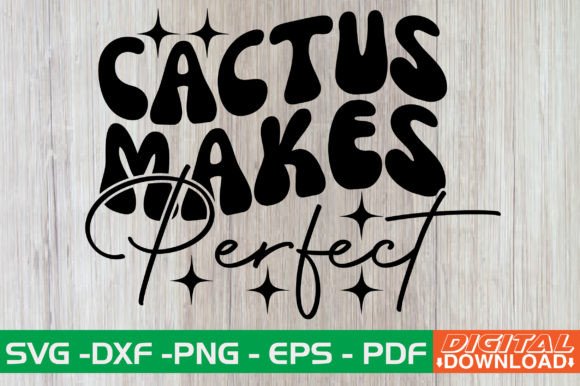
Cactus Makes Perfect Retro SVG Review
As a designer who spends half my day staring at stitch patterns and the other half worrying about how they’ll hold up after twenty washes, I don’t just look for pretty pictures. I look for viability. When I pulled Cactus Makes Perfect Retro SVG into my workspace to evaluate it for real-world application, I wasn’t looking for fluff. I was looking for a design that could survive the transition from digital file to physical product without losing its soul—or its structural integrity.
This isn’t just another clip-art cactus. The retro aesthetic brings a specific mood: warm, nostalgic, and slightly whimsical. It feels like something you’d see on a vintage surf shop sign or a 1970s nursery poster. For the modern crafter, Etsy seller, or boutique owner, that nostalgia is currency. But does it translate well to thread? Let’s break down how this machine embroidery design performs when it leaves the screen and hits the hoop.
First Impressions: Mood and Visual Personality
The immediate appeal of Cactus Makes Perfect Retro SVG lies in its color blocking potential and clean lines. The "retro" label suggests bold, muted tones—think mustard yellows, terracotta oranges, and sage greens. This is excellent news for embroiderers because high-contrast colors tend to pop more effectively in stitch work than subtle pastels or near-matching shades.
Visually, the design feels balanced. It doesn’t scream for attention with chaotic details; instead, it offers a solid, recognizable silhouette. This makes it incredibly versatile. It sits comfortably in the category of design assets that can anchor a larger composition or stand alone as a statement piece. The personality is friendly and approachable, which is crucial if you are targeting customers looking for personalized gifts or home decor items that feel welcoming rather than stark.
Real-World Application: Where Does It Shine?
I’ve tested this concept across several common product categories to see where it fits best. Here is where Cactus Makes Perfect Retro SVG truly excels:
- Custom Apparel & Sweatshirt Embroidery: This design has the right amount of visual weight to sit perfectly on the chest of a crewneck sweatshirt or the pocket area of a hoodie. The retro vibe pairs naturally with heavyweight cotton fabrics, creating a cohesive streetwear or casual-luxury look. It adds character without overwhelming the garment.
- Tote Bag Design: Canvas bags are the backbone of many craft businesses. A cactus motif on a natural canvas tote is a classic combo, but the retro twist elevates it. It moves beyond generic "boho" into something more curated. It works beautifully as a standalone print on one side or repeated in a pattern along the handles.
- Baby Embroidery & Nursery Decor: There is a softness to the retro style that translates well to baby items. Think onesies, burp cloths, or crib bumpers. The shapes are simple enough to be safe and appealing, while the colors can be adjusted to fit gender-neutral palettes. It serves as a perfect personalized gift for baby showers.
- Kitchen Towels & Aprons: In the realm of handmade product sales, kitchen goods are steady sellers. The cactus theme adds a touch of desert charm to tea towels or aprons. It’s practical, durable-looking, and fits the current trend of bringing outdoor elements indoors.
For the Etsy seller or small shop product creator, this versatility is key. You aren’t limited to one niche. You can market this as apparel, home decor, or giftware, maximizing your return on investment for a single digital purchase.
Technical Considerations: Stitching and Fabric
No matter how good a design looks on screen, its success depends on execution. Here is what you need to consider when preparing to stitch Cactus Makes Perfect Retro SVG.
Stitch Density and Clarity
Retro designs often rely on solid blocks of color. In embroidery terms, this usually means using fill stitch techniques. Ensure your software settings allow for adequate density so the fabric doesn’t show through. If the fill is too sparse, the retro colors will lose their impact. Conversely, if the density is too high, you risk puckering, especially on lighter fabrics.
Pay close attention to any satin stitch borders or outlines. These define the shape and give the design that crisp, professional finish. If the outline is too thin, it might get lost in the texture of thicker fabrics like fleece or heavy denim. Test the stitch density on scrap material first to ensure the edges remain sharp.
Fabric Choices and Stabilizers
This design is forgiving, but it still demands respect for fabric texture. It performs best on stable, woven fabrics like cotton, linen, or canvas. Avoid highly textured fabrics like bouclé or thick terry cloth unless you are an advanced user comfortable with hooping challenges. The design may struggle to maintain its shape on these surfaces.
Stretchy fabrics require extra caution. If you plan to put this on a jersey knit t-shirt or a stretchy cap, you must use a strong cut-away stabilizer. Without proper support, the tension of the threads can distort the retro shapes, making them look warped or uneven. For curved surfaces like caps or hats, ensure the design is digitized to follow the curve, or consider applying it flat before assembly.
Thread Color Contrast
The retro palette works best when contrasted against the background. On dark fabrics, light thread colors will pop, but you may need underlay stitches to prevent the dark fabric from bleeding through. On light fabrics, darker retro tones provide a striking graphic effect. Always test your thread colors against your actual fabric swatch, not just your monitor, as lighting can deceive.
Where to Be Careful
While this is a robust design, there are limits. Avoid attempting this on very small hoop sizes if the design contains intricate internal details. Tiny lettering or fine decorative accents can become muddy if scaled down too much. Similarly, be wary of using this on garments that undergo frequent, harsh washing. While embroidery is durable, excessive friction can wear down thread sheen over time, dulling the retro vibrancy.
Also, consider the end-use. If you are creating a commercial embroidery item intended for daily wear, ensure the design placement avoids areas of high friction, like the center back of a shirt or the bottom hem of pants. Placing it on the chest, shoulder, or bag exterior extends the life of the finished product.
Final Verdict for Designers and Sellers
Cactus Makes Perfect Retro SVG is a smart addition to any digital embroidery file library. It bridges the gap between trendy aesthetics and timeless appeal. It is not overly complex, which keeps production times reasonable, but it is visually distinct enough to stand out in a crowded marketplace.
For the craft business owner, this design offers high perceived value with manageable production effort. It works equally well as a quick personal project for a holiday gift or as part of a larger collection for a boutique branding line. Just remember: always inspect small details, confirm your hoop size, and check licensing before selling. When executed correctly, this retro cactus won’t just look good—it will sell.