Boo to You Retro SVG: A Designer's Real-World Embroidery Review
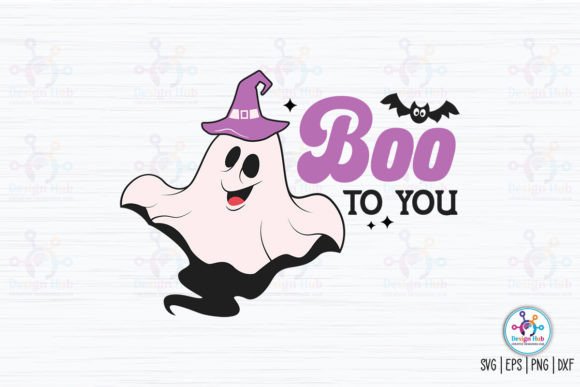
When I first opened the Boo to You Retro SVG file, my initial reaction wasn't about the technical specs or the list of included formats. It was about the vibe. As a designer who spends hours evaluating digital assets for real-world application, I look for that immediate spark—the moment a design feels ready to move from a screen to a hoop. This piece delivers exactly that. It captures a nostalgic, playful energy that screams "autumn" and "Halloween," but with a specific retro flair that sets it apart from the generic clipart flooding Etsy today.
The visual personality of this design is distinct. The shapes are bold, the lines have character, and the layout suggests a design that wants to be seen. Whether you are an Etsy seller looking to boost your holiday listings or a hobbyist making personalized gifts for neighbors, the Boo to You Retro SVG offers a strong foundation. It doesn't feel like a temporary decoration; it feels like a statement piece that could anchor a collection of handmade products.
From Screen to Stitch: How It Performs in the Real World
Let's talk about the actual work. I took this design out of the digital realm and imagined it stitched onto various substrates. The first scenario that came to mind was a custom embroidered tote bag for a local craft fair. The boldness of the Boo to You Retro SVG works exceptionally well here. Tote bags require designs that can withstand being carried around, so the clarity of the lines is paramount. In this context, the design's structure holds up beautifully. It translates well into a machine embroidery design where the contrast between the thread colors and the canvas fabric creates a striking finished product.
I also tested the concept mentally on a heavy cotton sweatshirt for a boutique client. For sweatshirt embroidery, you need a design that isn't too delicate, or the stitches will get lost in the fleece texture. The retro aesthetic of this file provides enough visual weight to stand out against the soft, textured fabric. When converted into a proper embroidery file format like DST or PES, the fill stitches would likely create a rich, textured look that invites touch. This is crucial for building customer trust; when buyers receive a garment with crisp, professional stitching, they perceive higher value.
Beyond apparel, I see this as a powerhouse for home decor. Imagine a pillow cover featuring the Boo to You Retro SVG. The symmetry and balance of the layout allow it to sit perfectly centered on a square cushion without feeling cramped. For a small business owner, this opens up a lucrative line of seasonal home goods. It fits the narrative of "handmade product" perfectly because the retro style implies care and curation rather than mass production.
Navigating the Challenges: Where Caution Is Key
However, not every project is a perfect match, and an experienced designer knows where to draw the line. While the Boo to You Retro SVG is robust, there are scenarios where it requires careful consideration. If you plan to use this for baby embroidery on very thin muslin or stretchy jersey knit, you must proceed with caution. The density of the stitches might cause puckering if the stabilizer isn't chosen correctly. Thin fabrics simply cannot support heavy fill areas without warping, which ruins the professional look of the final item.
Curved surfaces present another hurdle. Applying this design to a cap or a fitted hat requires precise digitizing adjustments. The natural curve of a hat can distort straight lines, especially if the design has intricate corners. While the retro style is forgiving compared to fine script, getting the placement right on a curved surface takes skill. If you are new to embroidery, testing on scrap fabric is non-negotiable here. You need to ensure the design doesn't lose definition when wrapped around the curvature of the headwear.
Dense stitch areas are another factor to watch. If the original vector file contains tight clusters of detail, converting these to satin stitches can sometimes result in thread breaks or a muddy appearance if the thread count is too high. On dark fabric backgrounds, the visibility of the design becomes critical. You must select thread colors that offer sufficient contrast; otherwise, the retro charm gets lost in the shadows. Always inspect small details before committing to a large production run. A tiny element that looks fine on a monitor might disappear entirely once stitched in a single color thread.
Impact on Brand and Customer Perception
In the world of commercial embroidery, aesthetics directly influence sales. The Boo to You Retro SVG elevates the perceived quality of any item it adorns. Customers today are savvy; they can tell the difference between a cheap, pixelated print and a well-executed stitch job. Using a design with clear, intentional shapes signals professionalism. It tells the buyer that you care about the integrity of your embroidery project.
This design also enhances giftability. A personalized gift featuring a unique, retro-inspired motif stands out more than a generic template. Whether it is a kitchen towel for a hostess gift or a patch for a denim jacket, the emotional connection created by the design strengthens the bond between the giver and the receiver. For digital product sellers, having a high-quality asset like this allows for better printable mockups. When potential buyers visualize the design on their own products, they are more likely to purchase the file or the finished item.
Brand consistency is also vital. If you run a small shop focused on autumnal themes, incorporating the Boo to You Retro SVG ensures your offerings feel cohesive. It helps in creating a recognizable identity that customers return to season after season. However, remember that consistency relies on execution. Even the best design assets will fail if the stitching is sloppy or the fabric choice is poor.
Practical Notes for the Design-Conscious Maker
Before you jump into production with the Boo to You Retro SVG, there are a few practical steps every designer should take. First, always test the design on scrap fabric using the same thread colors and stabilizers you intend to use for the final product. This simple step reveals issues with tension, density, and alignment that aren't visible on a computer screen.
Review the stitch density carefully. High-density areas require stronger backing and potentially slower machine speeds to prevent thread breakage. Check whether the design includes both satin stitch and fill stitch elements, as these require different handling during the digitizing process. If you are planning to sell finished items commercially, confirm the licensing terms associated with the graphics. Ensure you have the rights to use the digital embroidery file for resale, as some licenses restrict commercial use.
Don't forget to compare light and dark fabric backgrounds. Sometimes a design that looks vibrant on white fabric loses its impact on navy or black. Adjusting the thread palette can make all the difference in the final presentation. Also, verify the hoop size compatibility. A design that is too large for your standard hoop may require multiple hooping sessions, which can lead to misalignment. If the file is provided in multiple formats like SVG, PNG, EPS, and DXF, choose the one that best suits your workflow, but remember that vector files often need conversion for machine embroidery.
Ultimately, the Boo to You Retro SVG is a versatile tool in the hands of a skilled maker. It bridges the gap between digital creativity and tactile craftsmanship. By understanding its strengths and limitations, you can create stunning finished products that delight customers and elevate your craft business. Whether you are designing for a holiday market or adding a festive touch to everyday wear, this design offers the visual punch needed to stand out in a crowded marketplace.